


Blog
Why Safety Compliance is Critical in Offshore and Industrial Projects


Protecting People, Projects, and Performance
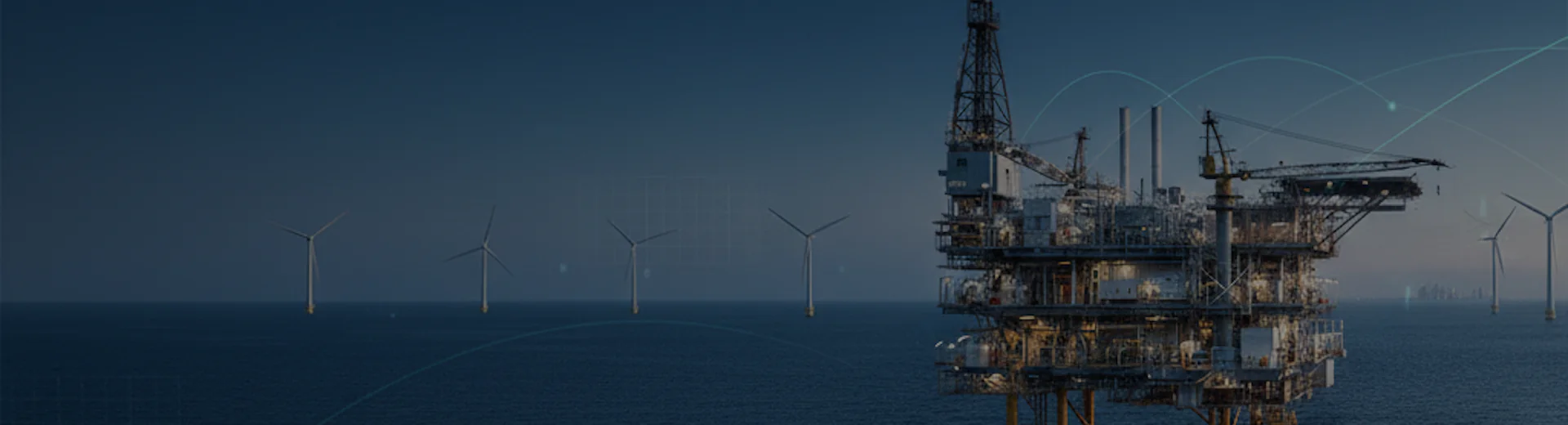
In high-risk industries such as Oil & Gas, Marine, and Power Generation, safety compliance is not just a regulatory requirement—it is a fundamental pillar of operational success. Offshore platforms, refineries, wind farms, and industrial plants operate in environments where even minor errors can lead to serious consequences.
Ensuring that every professional on site is trained, certified, and compliant with safety standards significantly reduces risk and enhances overall project performance.
The High-Risk Nature of Energy Projects
Energy and industrial operations involve:
- Heavy machinery and complex equipment
- High-pressure systems
- Hazardous materials
- Extreme environmental conditions
- Offshore and remote locations
Without strict adherence to safety procedures, the risk of accidents, downtime, and financial loss increases dramatically.
The Role of Safety-Ready Workforce
A safety-compliant workforce goes beyond wearing protective gear. It includes:
- Proper PPE usage
- Awareness of site-specific hazards
- Understanding permit-to-work systems
- Participation in toolbox talks and safety briefings
- Compliance with international safety standards
When safety becomes part of workplace culture, operational efficiency improves and incidents decrease.
Compliance Reduces Operational Risk
Regulatory authorities and clients enforce strict compliance requirements across energy projects. Non-compliance can result in:
- Project delays
- Financial penalties
- Reputational damage
- Work stoppages
Structured safety processes, documentation, and continuous monitoring help companies maintain compliance while protecting both personnel and assets.
Training and Certification Matter
Technical competence alone is not sufficient in industrial environments. Personnel must also be:
- Safety-trained
- Medically fit
- Certified for specific roles
- Familiar with emergency procedures
Investing in trained and compliant professionals leads to safer operations and stronger client confidence.
Building a Culture of Zero Harm
Organizations that prioritize safety create a culture where every worker understands their responsibility in maintaining a secure work environment. This proactive approach reduces incidents, strengthens teamwork, and supports long-term project sustainability.
Safety compliance should not be viewed as a cost—but as an investment in project success.
Conclusion
In offshore and industrial operations, safety compliance directly impacts productivity, reliability, and long-term success. A well-prepared, safety-aware workforce minimizes risk while maximizing operational efficiency.
As energy projects continue to grow in scale and complexity, companies that prioritize safety compliance will remain better positioned to deliver results without compromise.